If you have seen a tiny Steveston Tram in a window at Christmas, or stood in front of a brick-built Gulf of Georgia Cannery, you have already met Peter Grant’s work. Peter is a Steveston resident, known around Richmond as the “Lego Man,” and for more than a decade he has been rebuilding the community’s heritage buildings and boats out of LEGO bricks.
It started with our building
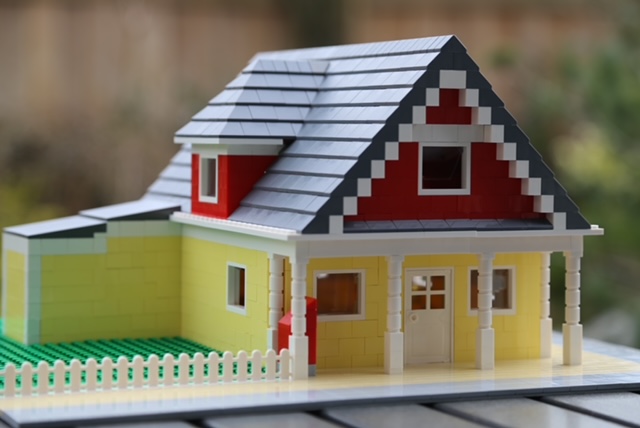
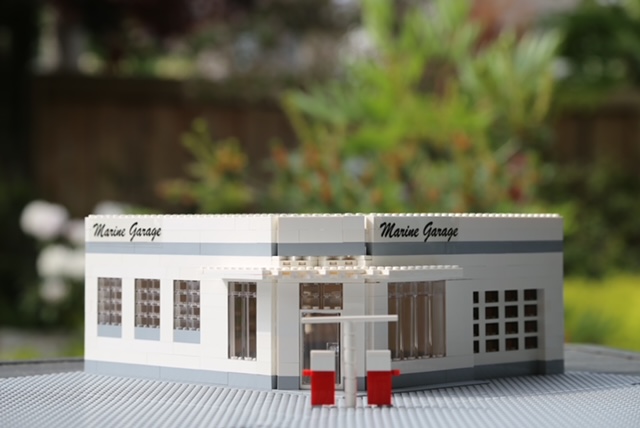
Peter’s first Steveston model was the yellow Steveston Museum and Post Office, the building we look after at 3811 Moncton Street. He followed it with the Marine Garage, a building he thought captured the real character of the village, and then Branscombe House, whose roof he rebuilt about half a dozen times before he was happy with it.
Peter doesn’t build from plans. He works from the buildings themselves, and much of the time on a project goes into finding the right parts. Some come from sellers on the other side of the world, and some are rare enough that only a handful were ever made in the colour he needed. Early on, the parcels arrived so often that his letter carrier asked what was in them, and was invited in to see.
A small-scale Richmond
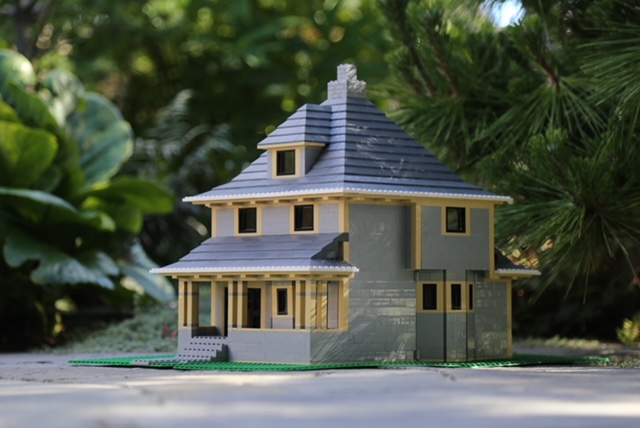
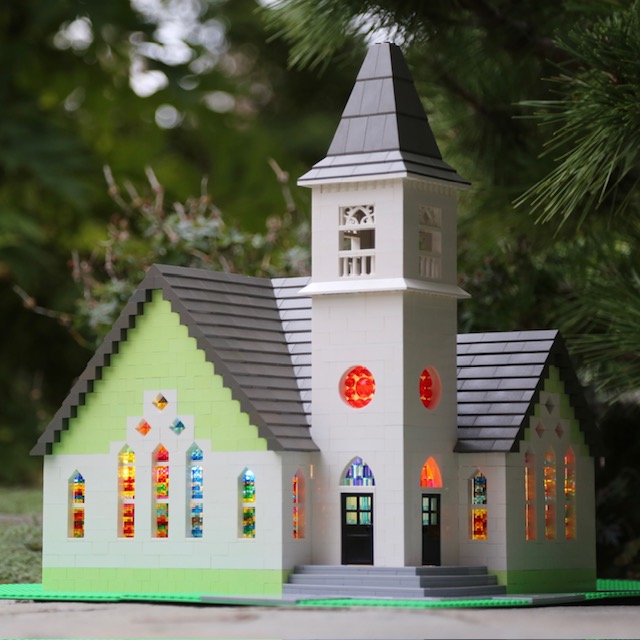
Peter has now recreated more than thirty Richmond subjects. In Steveston alone they include the Gulf of Georgia Cannery, the Steveston Tram and tram barn, our Museum and Post Office, the Marine Garage, the Steveston Buddhist Temple, the old Methodist church, and, at Britannia Shipyards, Richmond Boatworks, the four stilt houses, the Chinese bunkhouse and the gillnetter Silver Ann. Further afield he has built Minoru Chapel, London Farm and its barn, Brighouse School, the Terra Nova cannery store, the 1931 airport on Sea Island and the original McDonald’s on No. 3 Road, among others.
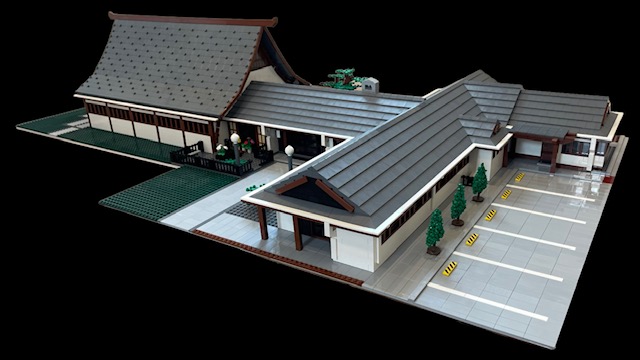
Some projects are enormous. The Steveston Buddhist Temple took about six months, on and off, and runs to roughly 9,600 pieces, with a removable roof so you can see the altar and pews inside. The City of Richmond commissioned his Steveston Tram and tram barn, and his models have been a highlight of the Winter Tram display. His largest work, the Gulf of Georgia Cannery, uses about 55,000 pieces and took close to a year and a half to complete. It shows the site’s long working life as a salmon cannery, fish depot and herring reduction plant, and it was shown at BrickCan, BC’s largest LEGO fan convention, before going on display at the Cannery itself.
Build your own piece of Steveston
Peter also turns some of his designs into kits, so you can build them at home. Two are available from our shop at the Steveston Museum and Post Office: the Steveston Tram (341 pieces) and the Silver Ann (418 pieces). Both use genuine LEGO elements and come with instructions. Peter sees the kits as a way for people to connect with historic Richmond, and he puts a lot into the detail. The tram, he says, could have been made cheaper, but only by making it far less faithful to the real car.
Peter assembles every kit himself, sourcing the parts in small batches. Now and then a kit may be out of stock for a few weeks while he orders pieces to make additional kits, and we would rather tell you that honestly than keep you waiting on an order.
We are delighted to have his work in our shop, and grateful for the care he brings to Steveston’s history.
LEGO is a trademark of the LEGO Group, which does not sponsor, authorize or endorse these kits or this article.